
As we enter 2026, the UK continues to attract global talent through visa sponsorship jobs, primarily via the Skilled Worker visa route. This pathway allows licensed UK employers to sponsor overseas workers for roles where local skills are insufficient. However, significant immigration reforms implemented in 2025 have reshaped the landscape, emphasizing higher-skilled, graduate-level positions to prioritize economic contributions and reduce net migration.

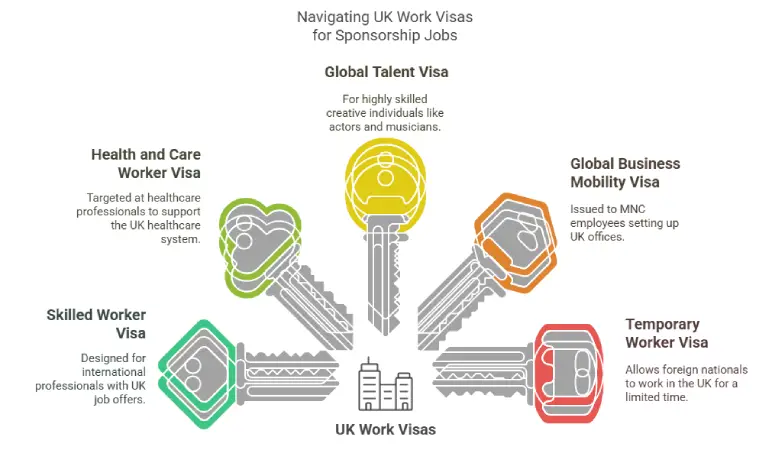
Despite tighter rules, thousands of sponsorship opportunities remain in high-demand sectors like healthcare, IT, engineering, and finance. Salaries are competitive, often starting above £41,700 for standard roles, with benefits including pathways to settlement after five years.
Key Changes Impacting Visa Sponsorship in 2026
Recent updates to UK immigration rules have raised thresholds:
- Skill Level: Most sponsorable roles now require RQF Level 6 (graduate equivalent). Lower-skilled positions (RQF 3–5) are limited to temporary lists (Immigration Salary List and Temporary Shortage List), set to expire by 31 December 2026.
- Minimum Salary: General threshold is £41,700 per year (or the job’s “going rate,” whichever is higher). Reduced rates apply for certain shortage roles or PhD holders.
- English Language: From January 2026, applicants need B2 level proficiency (advanced, equivalent to A-Level).
- Dependants: New sponsors in lower-skilled roles cannot bring family members.
- Costs: Higher Immigration Skills Charge and visa fees apply.
These changes aim to focus on high-value contributions, making sponsorship more competitive but viable for qualified professionals.

In-Demand Sectors for Sponsorship Jobs in 2026
Opportunities are concentrated in areas with skills shortages:
- Healthcare: Nurses, doctors, pharmacists, and allied professionals (via NHS and private providers).
- IT and Technology: Software developers, data scientists, cybersecurity experts, and AI specialists.
- Engineering: Civil, mechanical, electrical engineers, particularly in infrastructure projects.
- Finance and Consulting: Analysts, accountants, and consultants at firms like PwC, Deloitte, and KPMG.
- Education and Research: Lecturers, researchers (often with PhD reductions).
- Other: Limited roles in construction, lab technicians, or creative industries until list expiry.
Major sponsors include the NHS, Amazon, GlaxoSmithKline (GSK), Google, Microsoft, and Big Four consulting firms.


Eligibility and Application Process
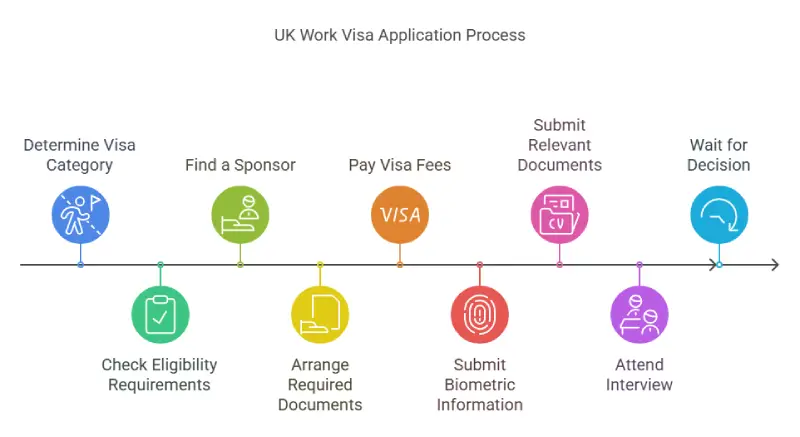
To qualify for a Skilled Worker visa:
- Job offer from a Home Office-licensed sponsor.
- Certificate of Sponsorship (CoS) issued by the employer.
- Meet salary and skill thresholds.
- Prove English proficiency (e.g., IELTS or degree taught in English).
- Pay visa fees, Immigration Health Surcharge, and prove maintenance funds.
The process typically takes 3–8 weeks after CoS assignment.


How to Find Visa Sponsorship Jobs in 2026
- Check the Official Register: Download the Home Office’s “Register of Licensed Sponsors” from GOV.UK to verify employers.
- Job Portals:
- LinkedIn: Filter for “visa sponsorship.”
- Indeed.co.uk, Reed.co.uk: Search “visa sponsorship” + job title.
- Specialized sites: ukvisajobs.com, visasponsor.jobs.
- Company Careers Pages: Apply directly to known sponsors like NHS Jobs or tech giants.
- Networking: Use LinkedIn to connect with recruiters; tailor your CV to UK standards (2 pages, achievement-focused).
- Tips for Success: Highlight relevant skills, gain certifications, and apply early—competition is high.
Visa sponsorship jobs in 2026 offer a gateway to a rewarding career in the UK for skilled professionals. With proactive preparation and focus on high-demand fields, securing sponsorship is achievable. Monitor GOV.UK for updates, as rules may evolve further. Start your search today and take the next step toward working in the UK!