
Most Dangerous Jobs in America 2025: High-Risk Careers That Demand Respect
In 2025, certain professions in the United States continue to carry extraordinary risks, with fatality rates far exceeding the national average of around 3.5 per 100,000 full-time workers. According to the latest data from the U.S. Bureau of Labor Statistics (BLS) and analyses from sources like Resume Genius and Forbes, jobs involving heavy machinery, extreme heights, remote locations, and unpredictable conditions top the list. While some offer competitive pay, many provide modest salaries despite the daily hazards—highlighting the bravery of workers who keep essential industries running.
These rankings are primarily based on fatal injury rates per 100,000 workers, drawn from BLS 2023 data (the most recent comprehensive release as of late 2025), with trends holding steady into 2025.
Top 10 Most Dangerous Jobs in America 2025
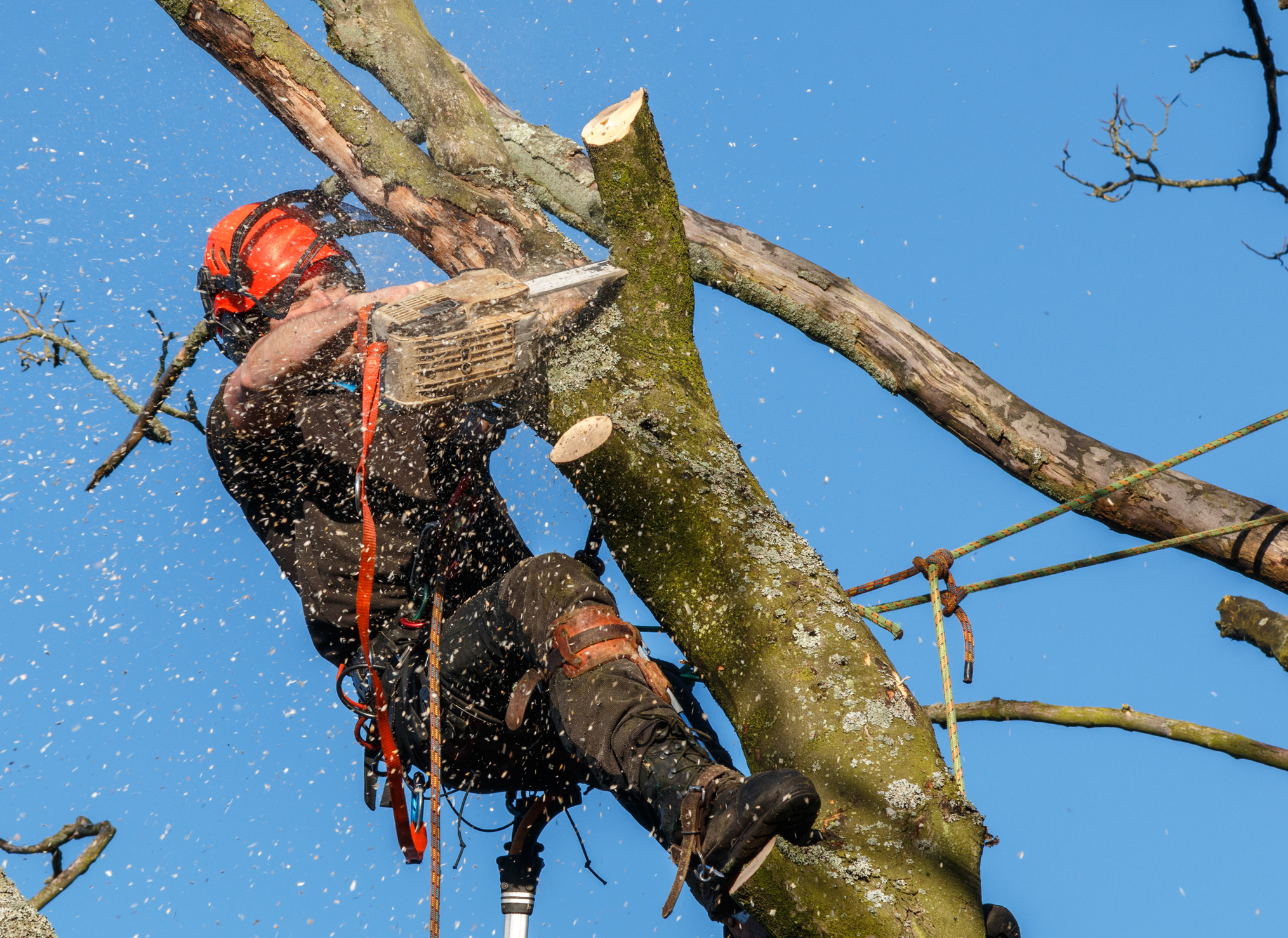
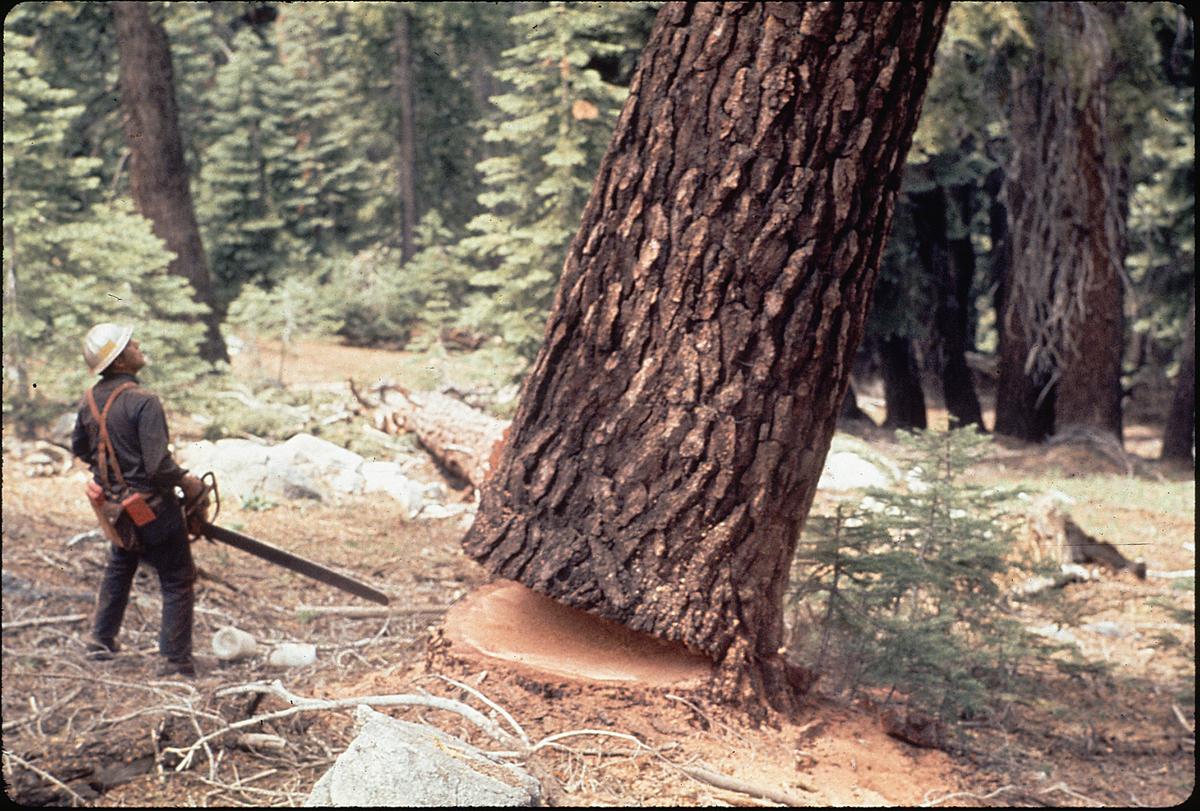
1. Logging Workers
Consistently ranked as the deadliest occupation, loggers face falling trees, malfunctioning equipment, and isolated work sites.
- Fatality Rate: Often over 100 per 100,000 workers.
- Common Risks: Struck by objects, falls, transportation incidents.
- Median Salary: Around $48,000.
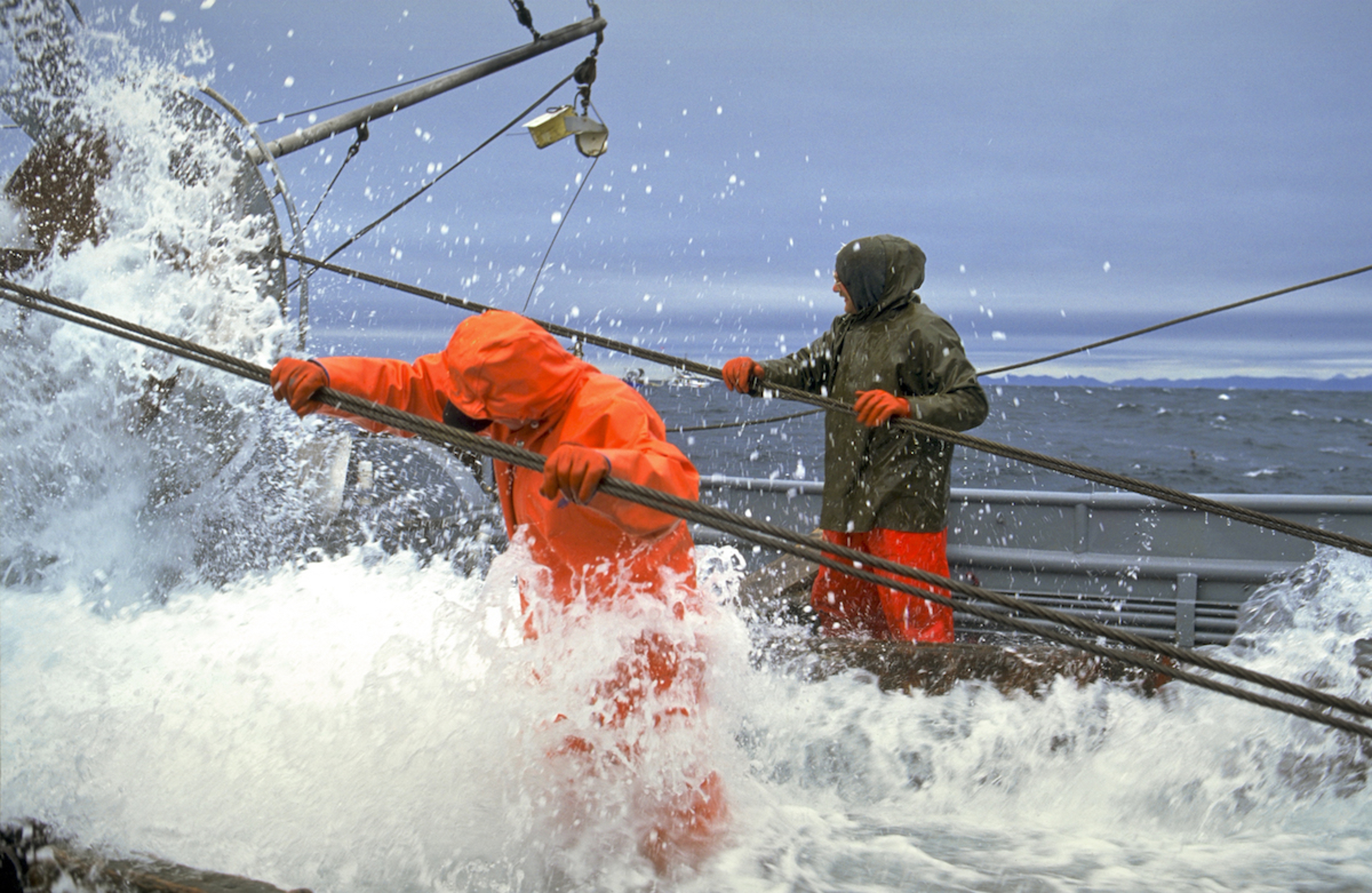
2. Fishers and Related Fishing Workers
Harsh ocean conditions and heavy gear make commercial fishing extremely perilous.
- Fatality Rate: Approximately 75–100 per 100,000.
- Common Risks: Drowning, vessel disasters, equipment accidents.
- Median Salary: $38,000–$50,000.
3. Roofers
Working at heights without much margin for error leads to frequent falls.
- Fatality Rate: Around 50–60 per 100,000.
- Common Risks: Falls from roofs/ladders, extreme weather exposure.
- Median Salary: $47,000.


4. Aircraft Pilots and Flight Engineers (Especially Small Aircraft/Bush Pilots)
Small-plane operations in remote or challenging areas spike the risk.
- Fatality Rate: 50+ per 100,000.
- Common Risks: Crashes, mechanical failures.
- Median Salary: Up to $200,000+ for commercial pilots.
5. Structural Iron and Steel Workers
Building skyscrapers involves working hundreds of feet up with heavy materials.
- Fatality Rate: 30–40 per 100,000.
- Common Risks: Falls, struck-by incidents.
- Median Salary: $60,000+.

6. Truck Drivers and Delivery Drivers
Long hours on highways contribute to the highest total number of fatalities.
- Fatality Rate: 25–30 per 100,000.
- Common Risks: Highway crashes, fatigue.
- Median Salary: $48,000–$60,000.

7. Refuse and Recyclable Material Collectors
Exposure to traffic, machinery, and hazardous waste.
- Fatality Rate: 40+ per 100,000.
- Common Risks: Vehicle strikes, equipment injuries.
- Median Salary: Under $45,000.
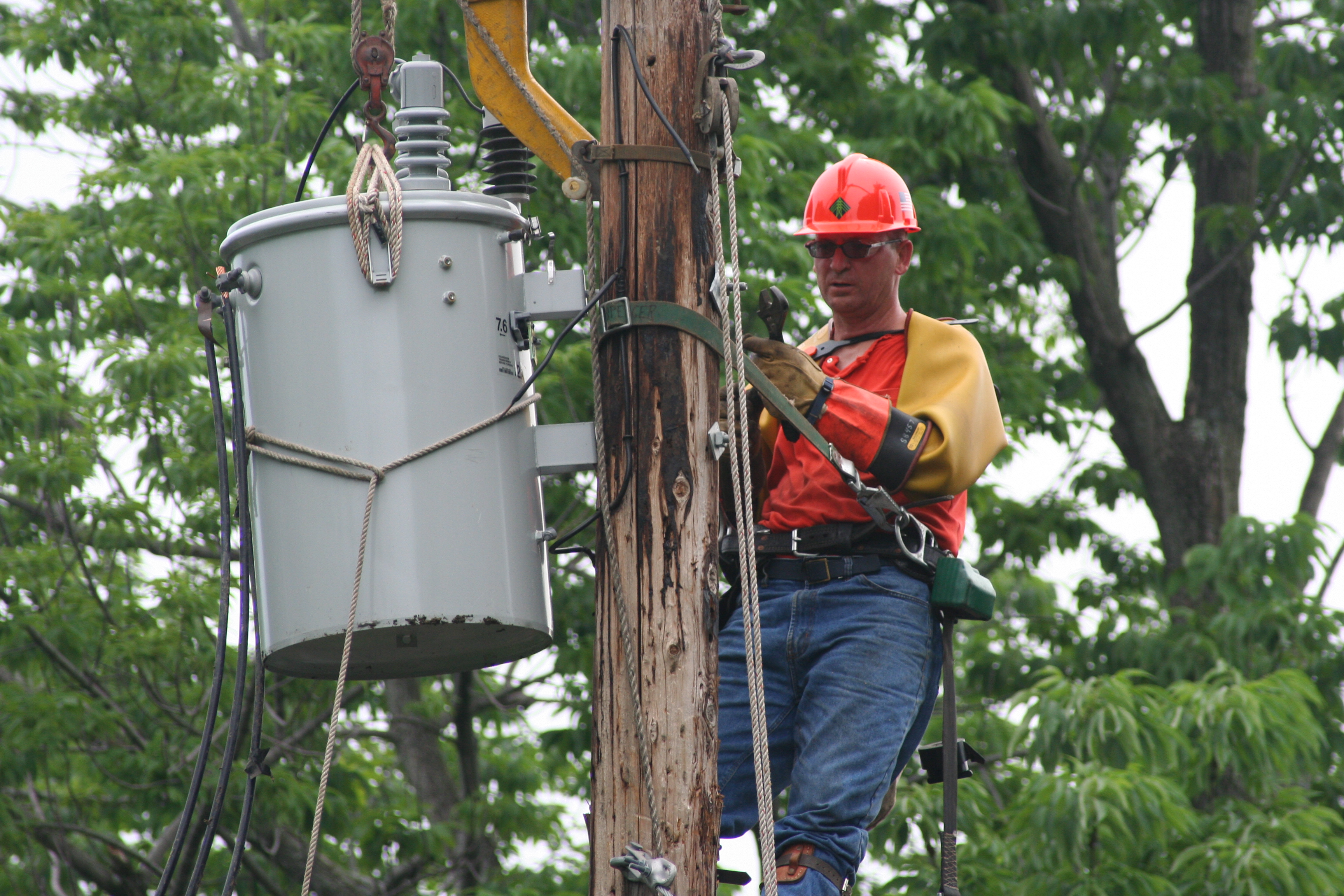
8. Electrical Power-Line Installers and Repairers
Handling live high-voltage lines in all weather.
- Fatality Rate: 20–30 per 100,000.
- Common Risks: Electrocution, falls.
- Median Salary: $80,000+.
9. Farmers, Ranchers, and Agricultural Managers
Heavy machinery and animal-related incidents in rural settings.
- Fatality Rate: 20–25 per 100,000.
- Common Risks: Tractor rollovers, chemical exposure.
10. Construction Laborers and Helpers
Broad exposure to site hazards.
- Fatality Rate: 15–20 per 100,000.
- Common Risks: Falls, struck-by, equipment accidents.
Key Insights and Safety Trends
Transportation incidents remain the leading cause of workplace fatalities overall, followed by falls and contact with objects. Despite improvements in safety protocols and OSHA regulations, these jobs saw little decline in risk levels entering 2025. Notably, many lower-paying roles (under $60,000) carry disproportionate danger, while higher-paid ones like pilots or linemen offer better compensation for the hazards.
Final Thoughts
America’s most dangerous jobs are essential—supplying timber, food, infrastructure, and power—but they come at a profound personal cost. Workers in these fields deserve recognition, robust safety training, and fair compensation. If you’re in or considering one of these careers, prioritize protective gear, ongoing education, and awareness of risks